As global demand for strategic minerals continues to grow, African countries are looking to gain more control over resources that have become critical to the energy transition, digital technology and sophisticated industries.
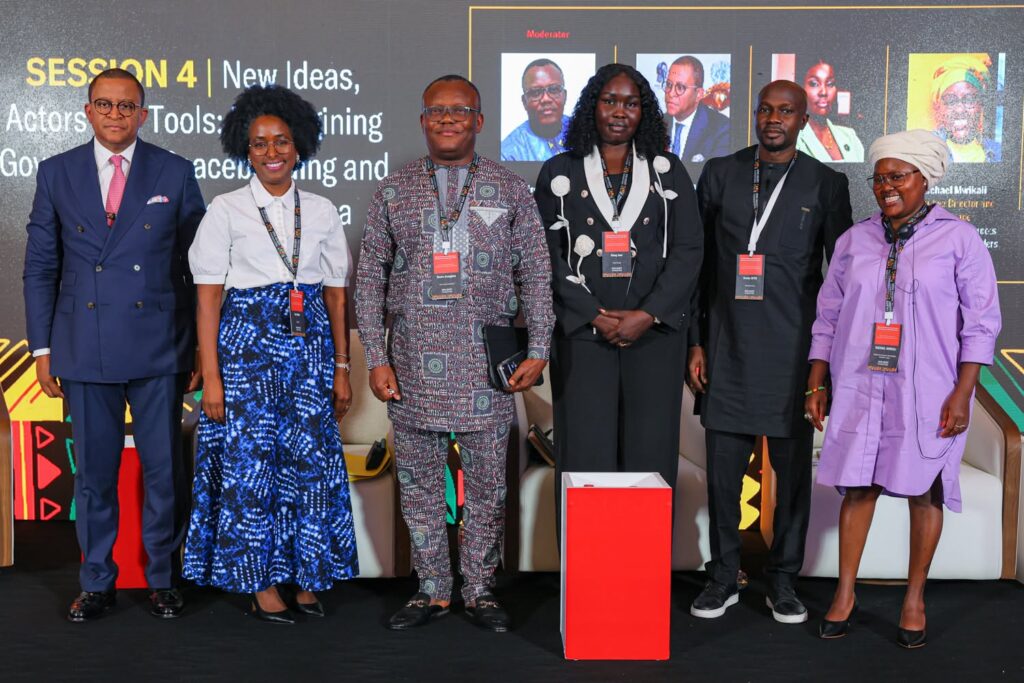
At a meeting in Accra, convened by the Ghanaian government, representatives of African governments, regional organizations, the corporate sector and civil society advocated for a complete revamp of vital mineral governance. The goal is to turn mineral exploitation into a catalyst for inclusive growth and to reduce the risks of corruption, social conflicts and political instability.
The conversations included government officials, representatives of mining communities, women and youth organisations, researchers, peacebuilding practitioners and development partners. Together they are working on an African agenda for democracy, peace and development in the mining sector.
Experiences from a number of nations including the Democratic Republic of Congo, Guinea, Sudan, Kenya, Ghana and Senegal were discussed. The talks were aimed at how to improve Africa’s bargaining position vis-à-vis foreign powers and international industry groupings.
Africa has a large percentage of the minerals contained in batteries, electronics and clean-energy infrastructure. Despite this potential, much of the continent’s natural riches is exported in unprocessed form, which limits the economic advantages and employment development locally.
Participants warned the geopolitical rivalry over these resources was beginning to change Africa’s economic, political and security landscape. Poor handling of earnings from mining might undermine public trust in institutions, exacerbate inequalities and fuel conflicts over access to resources.
They consequently urged increased transparency, stronger public accountability and more effective democratic monitoring of the sector. They also called for better international cooperation, greater local mineral processing and a fairer division of earnings to local people.
But these reforms cannot be led only by governments and established institutions. Decision-making must also include local communities, women, young people, researchers, civil society organisations and technological entrepreneurs.
Through the Accra Initiative, participants will be empowered to better protect the interests of Africa and to develop its mineral wealth into a real engine for peace, economic sovereignty and sustainable prosperity.

Ne manquez aucune actualite tech et startup
Rejoignez notre chaine WhatsApp et abonnez-vous a SNL TV sur YouTube.
Rejoindre WhatsAppVoir SNL TV sur YouTube