
🇬🇧 English | 🇫🇷 Français
One in five young people worldwide is not in employment, education or training, according to the 2026 State of World Population report released on 19 November 2026 by the United Nations Population Fund (UNFPA). The agency says economic insecurity, inequality and crises are pushing the milestones of adult life out of young people’s reach.
Titled Succeeding Generations: Empowering young people to chart the future, the UNFPA report points to a gap between what young people have gained, being more educated and more connected to information than ever, and the difficulties they face in securing a decent job, financial independence, housing or family life.
Key points
- The finding: one in five young people worldwide is not in employment, education or training, according to UNFPA
- Low-income countries: four in five young adults lack a secure paid job
- The main barrier: financial insecurity, cited by 72% of young respondents as an obstacle to having children
- The context: official development assistance from OECD countries fell by 23% in 2025
Jobs, the first barrier to independence
According to the report, four in five young adults in low-income countries do not have a secure paid job. Young women aged 15 to 24 are more than twice as likely as young men to be out of employment, education or training. Among young people with disabilities, the share reaches 49%.
UNFPA lists climate change, conflict, the rapid expansion of artificial intelligence and cuts to health and development funding among the aggravating factors. The number of people aged 10 to 24 living within 50 kilometres of active conflict rose from 164 million in 1990 to 340 million in 2022, the report says.
A survey of 100,000 young people
The agency draws in particular on a survey of more than 100,000 internet-connected young people in 73 countries and territories. Of these, 91% want at least one child. Financial insecurity is the most frequently cited barrier, mentioned by 57% of respondents regarding partnership and by 72% regarding parenthood. According to UNFPA, young adults become independent from their parents in their late 20s and become parents as they near 40.
“Our responsibility is to make sure their aspirations become real choices,” said Diene Keita, Executive Director of UNFPA, quoted in the press release.
The report also highlights young people’s weak political representation: adults aged 30 and under make up 19% of the global population but hold 2.8% of parliamentary seats. It notes that official development assistance from OECD countries fell by 23% in 2025, the largest annual contraction on record.
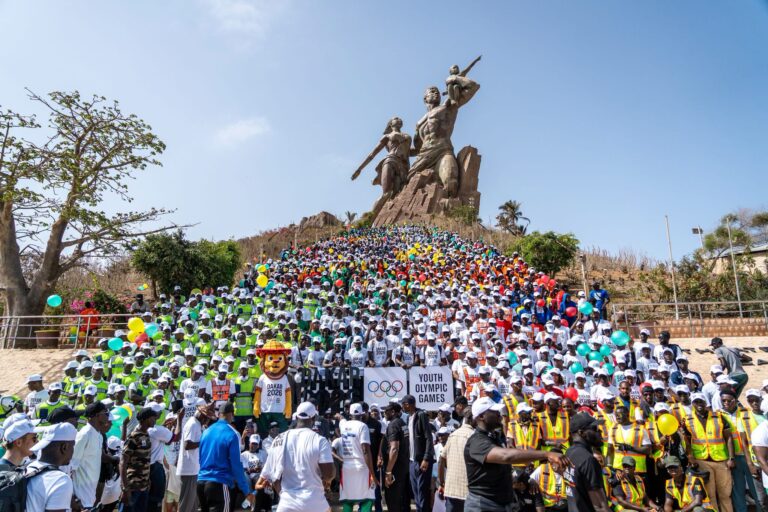
According to UNFPA, the young people consulted are calling for better preparation for the world of work, opportunities to earn a living, stronger social protection and a say in the decisions that affect them. The issue resonates in Senegal, where the place of youth regularly features in public debate, as during the Dakar 2026 Youth Olympic Games. The press release does not provide data specific to Senegal or West Africa; these will need to be sought in the full report.
AI-generated illustration
Read also



Ne manquez aucune actualite tech et startup
Rejoignez notre chaine WhatsApp et abonnez-vous a SNL TV sur YouTube.
Rejoindre WhatsAppVoir SNL TV sur YouTube